On this page
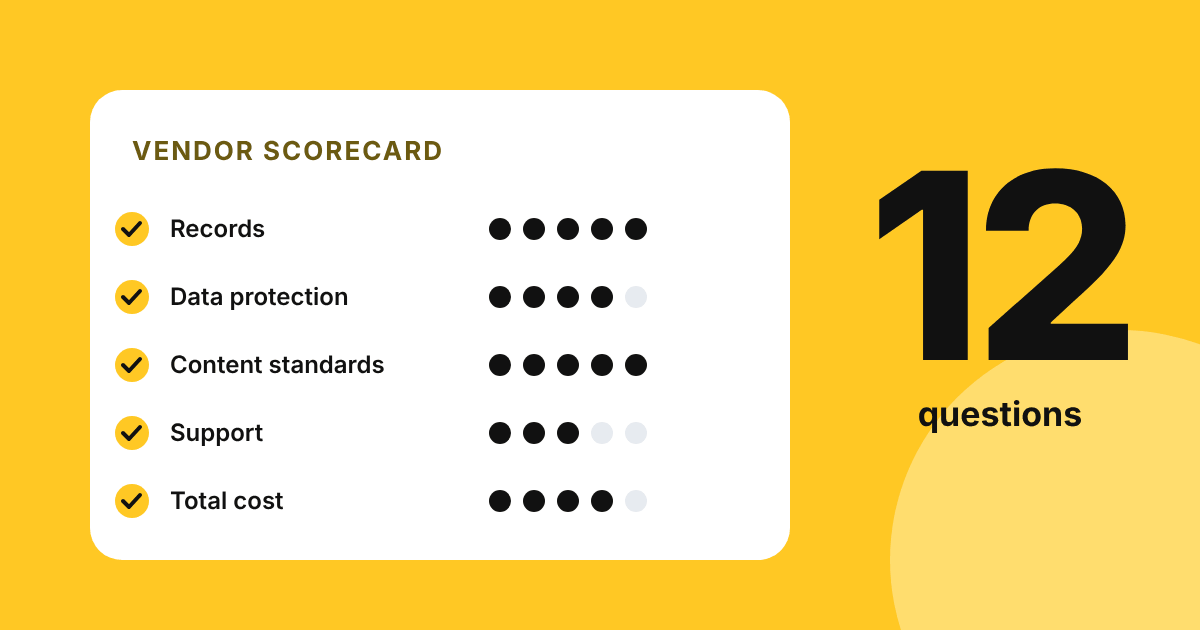
Choosing a learning management system (LMS) is easier when you decide what it has to prove before you watch the first demo. This checklist gives twelve questions to put to every vendor on your shortlist, written for Hong Kong enterprises, with extra weight on compliance records, data protection and Chinese and English content.
What an enterprise LMS is for
An enterprise LMS is software that an organization uses to deliver, track and report on training for its employees. For a regulated company, the most important word in that sentence is report. Delivering a course is the easy part. Showing a regulator, auditor or board exactly who completed what, and when, is where systems differ.
Twelve questions to ask every vendor
Requirements and people
1. Which of our training needs does this system cover out of the box, and which need configuration? List your needs first: online courses, classroom sessions, external training approvals, assessments, certificates, CPD tracking. Ask the vendor to mark each as standard, configurable or not available. Anything marked “custom development” needs a quote and a date.
2. Who will administer it, and how much can they do without the vendor? Ask a real administrator to enrol a class, assign a course to a department and run a report during the demo. If every change needs a support ticket, the running cost is higher than the licence suggests.
Learning delivery
3. Does it cover every learning format we use? Many organizations mix self-paced e-learning, instructor-led classes and blended programmes. Check that sessions, enrolment, attendance and results sit in one record per learner, not in separate tools.
4. Does it work in every language our staff need? Hong Kong workforces often need English and Chinese, sometimes both Traditional and Simplified. Ask to see the interface, the courses and the certificates in each language, not just a statement that they are supported.
Compliance and records
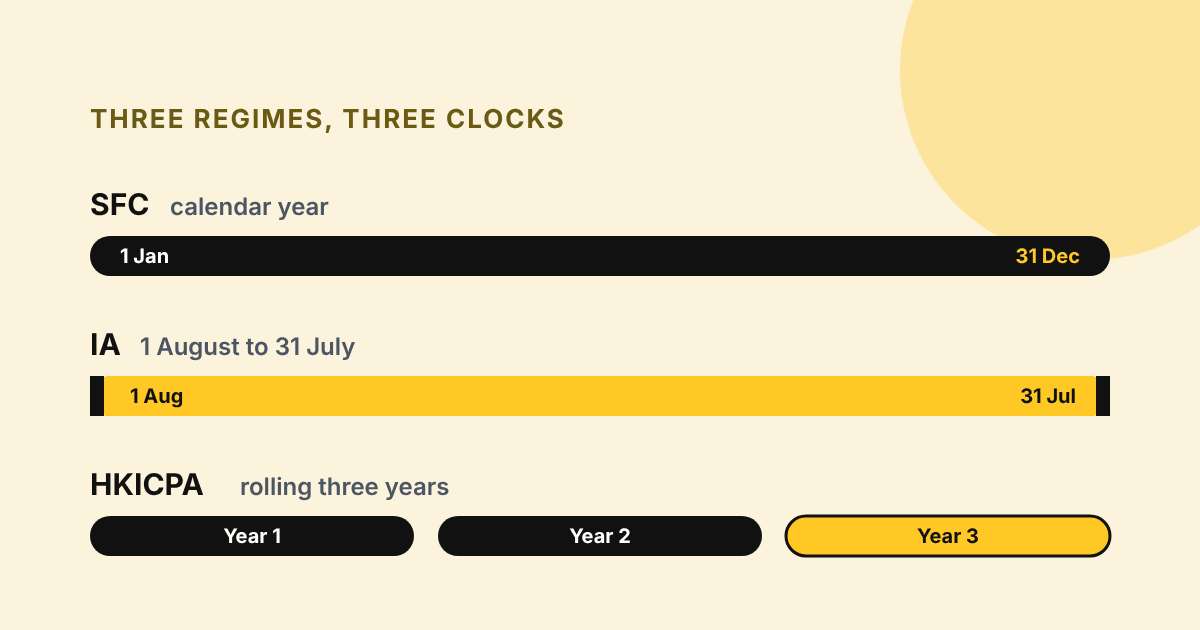
5. Can it apply our CPD and compliance rules automatically? Different regulators use different hours, reporting periods and topic minimums (see our comparison of CPD requirements in Hong Kong). Ask the vendor to configure one of your real rules in the demo and show the result for a learner who is short of hours.
6. What does an audit-ready record look like, and how long is it kept? Ask for a sample record for one learner and a sample report for a department. Confirm the retention period you need. If you serve several regimes, plan for the longest one.
Content
7. How does content get in and out? SCORM is a set of technical specifications that lets browser-based e-learning content be shared, reused and tracked across different learning management systems. xAPI is an open standard that records and shares data on learning activity beyond completions and scores. Ask which versions the platform supports and whether you can export your courses and results if you leave.
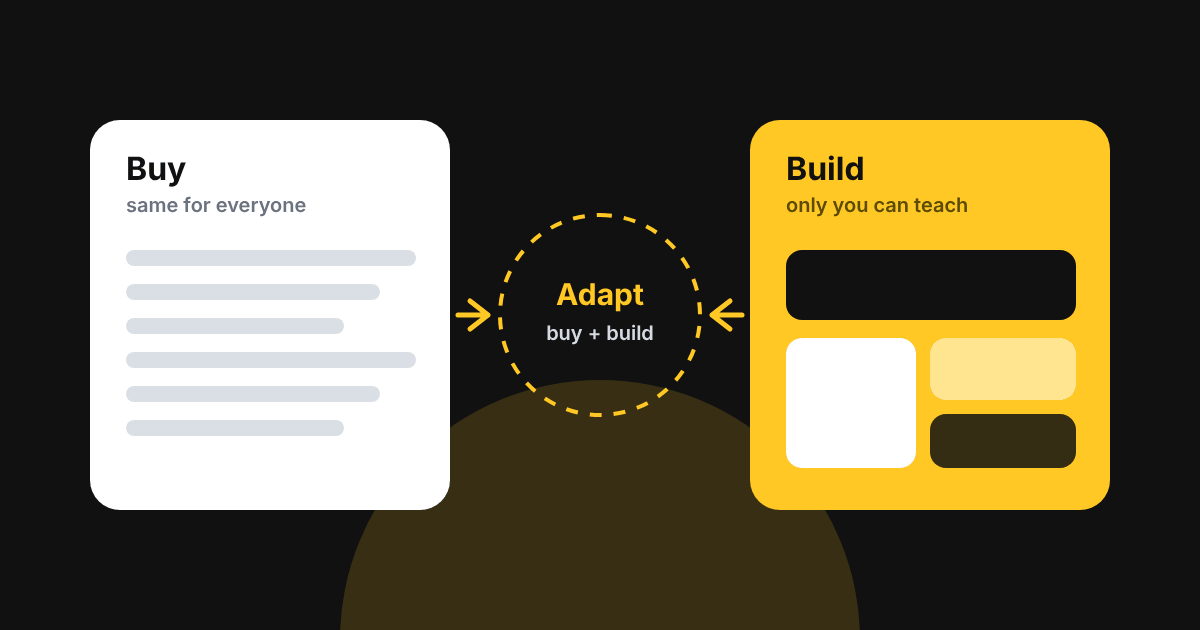
8. Who builds the content, and does it fit the LMS? An LMS is only as useful as the courses inside it. Decide early whether you will buy ready-made courses, commission custom ones or build in-house. See off-the-shelf versus custom e-learning for how to decide.
Technology and data
9. How does it connect to our other systems? Typical connections are single sign-on, an HR system for staff and organization data, and a reporting tool. Ask what is standard, what needs the vendor and what the vendor charges for.
10. How is personal data protected, and where does it live? Learner records are personal data. Under the Personal Data (Privacy) Ordinance, a data user must take all practicable steps to protect personal data, and when it engages a data processor it must use contractual or other means to make sure the processor meets comparable security and retention obligations. Ask the vendor how it meets this, where data is stored, and what the contract says. Also confirm the deployment options: standard SaaS, a dedicated cloud environment or on-premise. UpLearn can be deployed in all three ways.
Delivery and cost
11. Who implements it, supports it and trains our team, and where are they based? Ask who migrates your existing records, who trains administrators, what support hours apply and whether support is available in the time zone and languages your staff use.
12. What is the full cost over three years, and what happens at the end? Ask for licence, implementation, content, support and change-request costs in writing, plus the exit terms: how your data is returned and in what format.
Score vendors on the same list
Give each question a weight that reflects your priorities, score each vendor from 0 to 5, and total the results. A simple table keeps the discussion honest:
| Question | Weight (1–5) | Vendor A | Vendor B | Vendor C |
|---|---|---|---|---|
| 5. Applies CPD and compliance rules | ||||
| 6. Audit-ready records and retention | ||||
| 10. Data protection and deployment | ||||
| (add the rest) |
Weights should come from the people who will be held accountable: compliance for records, IT for data and integration, HR and L&D for delivery.
Run a pilot before you sign
Ask your two or three finalists to set up a small pilot with your content and a real group of learners. Give each the same tasks: enrol a group, complete a course, record an external training event, apply one compliance rule and produce one report. The pilot will show you what a demo does not: how long each task takes and how often the vendor has to step in.
Where Cyberwisdom fits
Cyberwisdom is a Hong Kong provider of learning management systems, CPD compliance software and bespoke courseware. Its enterprise LMS, UpLearn, covers courses, blended learning, assessments, reporting and CPD tracking, and the Cyberwisdom CPD Engine handles CPD rules and audit-ready records. Cyberwisdom has served 800+ enterprise clients since 1999. Use the questions above with us as you would with any other vendor.
Sources
Cyberwisdom Asia Ltd. is a Hong Kong provider of learning management systems, CPD compliance software and bespoke courseware, serving 800+ enterprise clients since 1999.
About Cyberwisdom